Deck Staining & Fence Staining in Greenville, SC — Wood Restoration That Lasts. Not Just a Coat of Stain.
Stop watching your wood peel and turn gray. We clean, brighten, and penetrate the wood fiber so your backyard looks incredible for years.
In Upstate SC's humid subtropical climate, you get hot summers, heavy spring rain, and biological growth that never really stops. Wood left unsealed or poorly stained degrades faster here than almost anywhere in the country. We see homeowners stain their own deck with a big-box product and watch it peel within a season. We offer a true 3-step wood restoration process: clean, brighten, penetrate. As part of our residential painting services, we make sure your wood looks great and lasts. Most gray and weathered decks across Greenville, Simpsonville, and Greer can be fully restored without replacement.
Fence & Deck Staining Services We Provide Across Greenville, Simpsonville, Greer, Mauldin, and Taylors
We handle all your exterior wood needs. We do deck staining and refinishing for pressure-treated pine, cedar, and composite-adjacent wood trim. We provide fence staining and painting for wood privacy fences, picket fences, and split rail setups.
We perform wood restoration and brightening for gray and weathered decks and fences. If you have peeling solid stain, we offer chemical stripping of failed solid stains and paints. We provide exotic hardwood deck oiling for Ipe, Mahogany, and Tigerwood. We also prep and apply the first stain on new pressure-treated pine decks, stain pergolas and gazebos, and handle deck board rot assessment and replacement before staining.
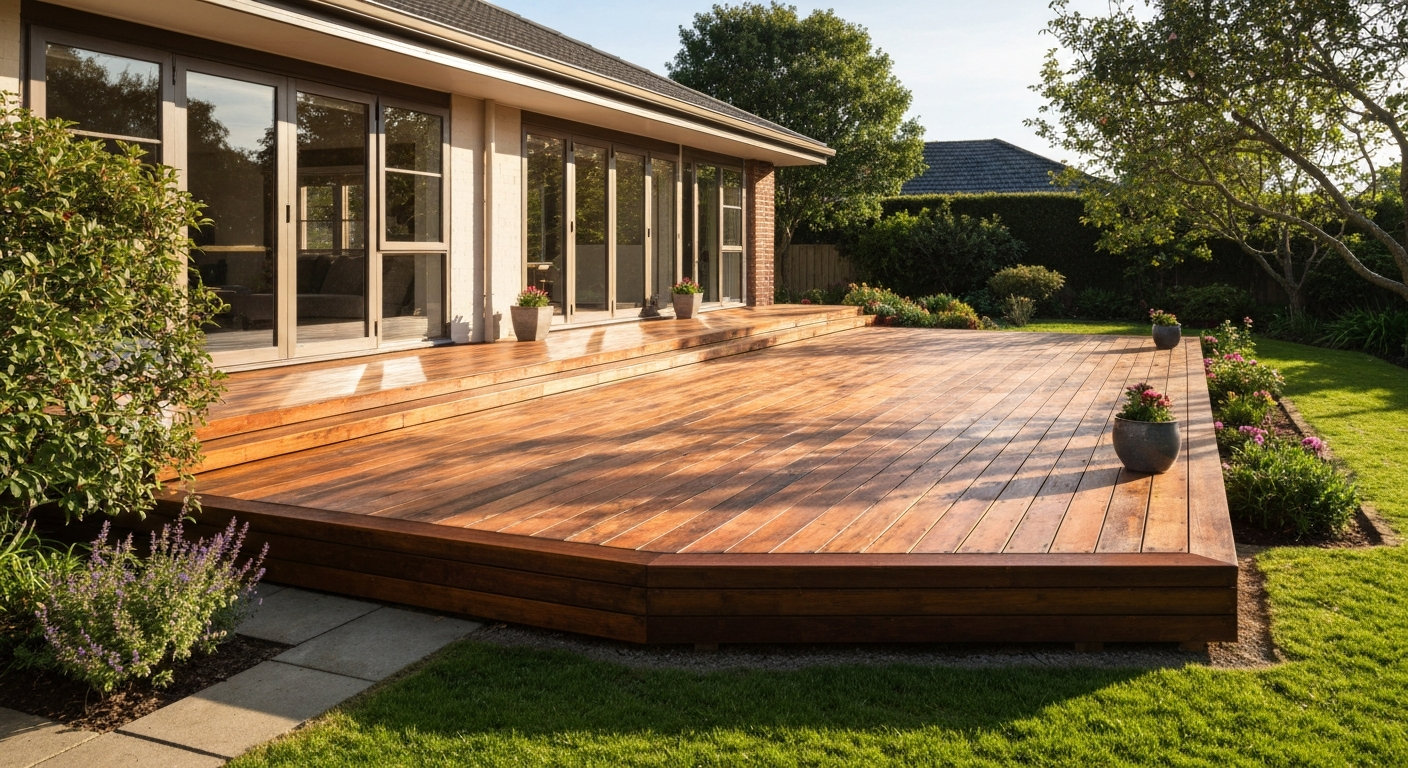
[IMAGE: A perfectly restored and stained backyard deck in Simpsonville SC]
Our 3-Step Wood Restoration Process — Why It Lasts Longer Than DIY
We do not just slap on a coat of color. We follow a strict 3-step process. This is the reason a professional result outlasts a DIY result by years.
Step 1 — Clean and Sanitize
We start with soft washing using a professional mildewcide and algicide solution. This kills biological growth at the organism level. Mold, algae, mildew, and lichen colonize the wood surface and fiber. Plain water or pressure washing alone does not kill the organism. It just regrows through the stain within months. After soft washing, any failed solid coatings are chemically stripped using sodium hydroxide or potassium hydroxide based strippers. The surface is fully clear. Pressure rinsing removes the stripped material without raising the wood grain.
Step 2 — Brighten and Neutralize (Oxalic Acid Treatment)
This is the step most DIYers skip. It is the biggest reason stain fails early. After cleaning and stripping, the wood's pH is elevated and the surface is still gray and oxidized at the fiber level. We apply an oxalic acid brightening solution to neutralize the pH. This opens the wood fibers so they can accept the stain. It removes the gray oxidized layer to reveal clean, bright wood underneath. This is what makes a 10-year-old weathered fence look like it was just milled. We take moisture meter readings after brightening. Wood must be below 15% moisture content before any stain is applied. Staining wet wood is the number one cause of film-forming failure and early peeling.
Step 3 — Penetrating Stain Application
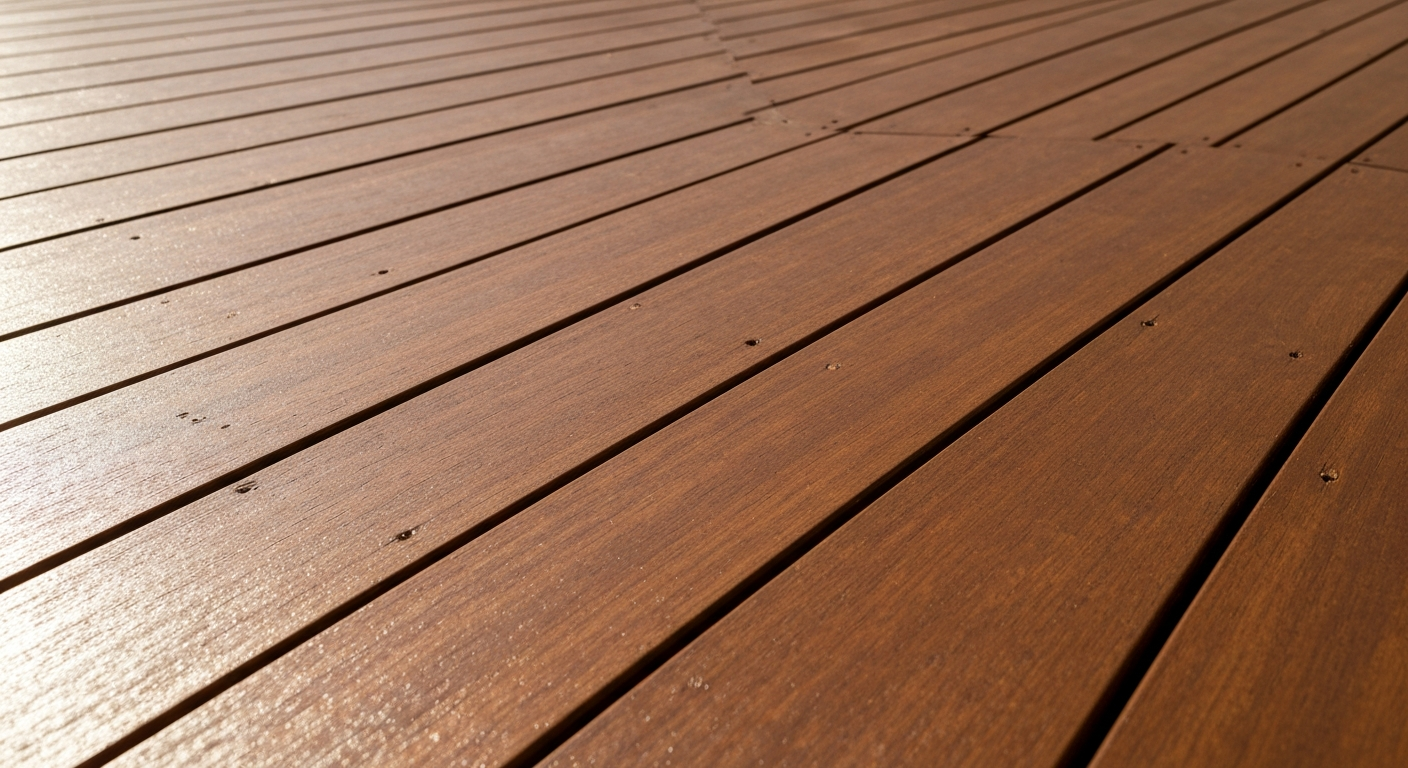
Finally, we apply a penetrating oil-based or semi-transparent stain. We use products like Ready Seal, TWP (Total Wood Preservative), Armstrong Clark, or Sikkens ProLuxe. These soak into the wood fiber rather than sitting on top as a surface film. Penetrating stains cannot peel because there is no surface film to lift. They become part of the wood structure. We match the product to the wood species, condition, and your color preference. We apply by brush, roller, or pump sprayer with back-brushing to work the product into the grain and prevent lapping marks.
Choosing the Right Stain — Penetrating vs. Solid vs. Semi-Transparent
Picking the right product type is half the battle. Here is what you need to know.
Penetrating Oil-Based Stains
This is the best choice for most Greenville decks and fences. Products like Ready Seal, TWP, Armstrong Clark, and Sikkens ProLuxe soak into the wood. They cannot peel or chip. They show the natural wood grain. They must be re-applied every 2 to 4 years. They require clean, brightened wood for proper penetration. This is the professional standard for our market.
Solid Color Stains
This is the best choice for heavily weathered or inconsistent wood. Products like Benjamin Moore Arborcoat Solid or Cabot Solid Color Stain cover the wood grain entirely, like a thin paint. They provide maximum UV protection. They are film-forming, meaning they sit on the surface. They require the most thorough prep, because any moisture causes bubbling and peeling.
Semi-Transparent Stains
This is best for homeowners who want a natural wood appearance. Products like Flood CWF-UV, Benjamin Moore Arborcoat Semi-Transparent, and Armstrong Clark Semi-Transparent allow the natural wood grain to show through. They offer light UV protection. They must be applied to clean, consistent wood. Uneven wood will look blotchy.
Exotic Hardwood Oils
These are required for Ipe, Mahogany, Tigerwood, and similar dense species. Products like Cabot Australian Timber Oil, Ipe Oil, or specific Sikkens ProLuxe formulas are needed. Standard deck stains cannot penetrate dense hardwood species. Specific penetrating hardwood oils replenish the natural oils UV depletes.
The Stain Brands We Use — And Why Product Selection Matters in Upstate SC's Climate
Greenville has a demanding environment for exterior wood coatings. Generic big-box stain products fail here. We use specific professional products.
- Ready Seal: An oil-based penetrating stain and sealer in one. No primer required. It can be applied to wood within 48 hours of rain. It is highly trusted by professional applicators across the Southeast.
- TWP (Total Wood Preservative): A penetrating oil-based stain with built-in mildewcide and UV stabilizers. This 1 to 2 coat system is one of the most mold and mildew resistant formulations available. It is critical for shaded decks and north-facing fences in Taylors and Greer.
- Armstrong Clark: A professional penetrating oil-based stain known for exceptional mold and mildew resistance. Formulated specifically for high-humidity climates.
- Cabot Stain: A wide product range. The Australian Timber Oil line is specifically formulated for dense and exotic hardwoods like Ipe and Mahogany.
- Sikkens ProLuxe: A European oil-alkyd professional system with a decades-long track record. The Cetol 1 foundation coat plus Cetol 23 topcoat system is a benchmark for professional deck longevity.
- Flood CWF-UV: A penetrating water repellent with UV inhibitors. It is a clean preservative system for new or well-maintained wood.
- Benjamin Moore Arborcoat: A premium water-based exterior stain line. Low-VOC and excellent for homeowners who want a recognized premium brand with strong color selection.
New Pressure-Treated Pine Decks — When to Stain and What to Use
"How long do I have to wait before staining a brand new pressure-treated deck?" New pressure-treated pine is kiln-dried but still contains residual moisture from the chemical process. Staining too early seals in that moisture, causing the stain to fail within one season.
The standard wait time is 30 to 90 days. But the right answer is to test with a moisture meter, not to guess by the calendar. We perform moisture meter readings on all new pressure-treated pine. Wood must read below 15% moisture content before the first coat goes on. You can also do the water bead test: sprinkle water on the deck surface. If it beads up, the wood is not ready. If it soaks in, the wood is ready. For new pine, penetrating stains like Ready Seal or Flood CWF-UV are the correct first application. End cuts should receive a penetrating end-cut sealer.
Can Your Gray, Weathered Deck or Fence Actually Be Saved?
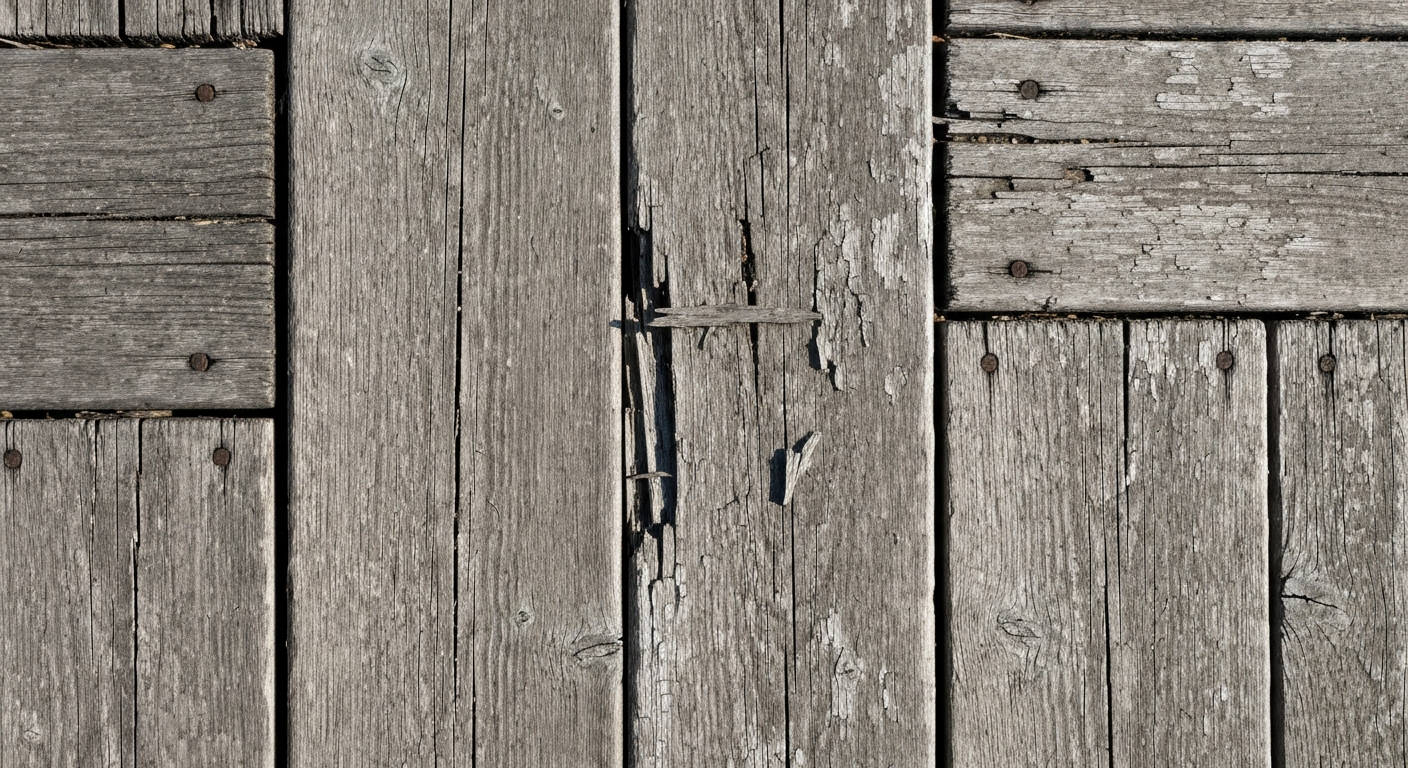
"The wood looks dead, dry, gray, and weathered — I don't know if it can be saved." Gray, weathered wood is surface degradation, not structural failure. The gray color is oxidized lignin on the surface fiber, not rot throughout the board. In most cases, a professional cleaning and oxalic acid brightening treatment removes the gray layer completely.
If the wood is still structurally solid, it can almost certainly be restored. If boards are soft, spongy, or show through-rot at fastener holes, those specific boards need replacement. We identify them and tell you exactly what needs to come out. Full deck replacement in the Greenville market runs $8,000 to $25,000 or more. Professional wood restoration typically runs a fraction of that. Gray decks are common across Greenville, Greer, Taylors, Mauldin, and Simpsonville neighborhoods where mature tree canopies reduce sun exposure.
What to Know About Deck and Fence Rules and Regulations in Greenville County, SC
Permits for New Decks: Staining or refinishing an existing deck or fence does not require a permit in Greenville County or the City of Greenville. However, if boards are being replaced beyond a certain threshold, or if any structural element is being altered, a building permit may be required. [VERIFY: Check current thresholds]
HOA Color and Finish Rules: Many communities in Simpsonville, Five Forks, and Mauldin have specific fence and deck appearance standards. This includes approved stain colors and finish types. Check your HOA's architectural guidelines before committing to a color. We can help you pick compliant options.
Pressure-Treated Wood: Modern pressure-treated pine uses safer preservatives than the older CCA treated lumber phased out in 2004. Decks built before 2004 may have CCA-treated wood. Sanding CCA-treated wood generates dust that should not be inhaled. We use appropriate PPE and dust control.
SC Contractor Licensing: Staining and wood restoration contractors performing projects over $5,000 in South Carolina must hold a valid SC Contractor's License. We are fully licensed and insured. [VERIFY: Insert SC License Number]
Common Deck and Fence Staining Problems We Diagnose and Fix
- "The deck stain is bubbling up and peeling off like plastic wrap."
Trade term: Film-forming failure. A solid acrylic stain was applied over wood that was wet, not properly sanded, or had an existing failed coating underneath. We fix this with a full chemical strip, oxalic brightening, moisture meter verification, and application of a penetrating oil-based stain. - "The wood looks dead, dry, gray, and weathered — I don't know if it can be saved."
Trade term: Lignin UV degradation. UV radiation breaks down lignin, turning the surface gray and brittle. We fix this with chemical brightening using oxalic acid to remove the gray oxidized layer, followed by a penetrating oil-based stain with UV inhibitors. - "The paint on my deck floor is trapping water and I think it's rotting the boards underneath."
Trade term: Vapor-impermeable paint failure. Solid film-forming paint on horizontal deck surfaces traps moisture that enters through board ends and cracks. We fix this by fully stripping the failed paint. Deck floors should never be coated with film-forming paint. We use penetrating breathable stains instead. Any rotted boards are replaced first.
Our 3-Step Process
- Step 1: CleanMildewcide kills mold at the root.
- Step 2: BrightenOxalic acid restores pH and opens wood fibers.
- Step 3: PenetrateOil-based stain protects from within.
Get Started Today
Get a Free Deck and Fence Staining EstimateFence & Deck Staining FAQs — Greenville Homeowners Ask Us These Every Week
Fence & Deck Staining Service Areas — Greenville, Simpsonville, Greer, Mauldin, and Taylors, SC
Greenville, SC: Home base. The mix of mature tree canopy in North Main, Augusta Road, and Overbrook neighborhoods creates ideal conditions for mold and algae growth on shaded decks and fences. These surfaces need mildewcide treatment as part of every staining project.
Simpsonville, SC: Heavy subdivision market with HOA fence and deck standards across communities like Five Forks and Asheton Lakes. Most homes here have pressure-treated pine decks built in the 2000s and 2010s that are now at the age where full restoration is overdue.
Greer, SC: Established neighborhoods with mature landscaping and tree cover. Shaded north-facing decks are common and among the most aggressive environments for biological growth in the Upstate area.
Mauldin, SC: A mix of established neighborhoods and newer construction. Good volume of cedar and pressure-treated pine fences alongside composite decks with wood trim surrounds.
Taylors, SC: Older housing stock with some of the most mature and weathered wood structures in the Upstate area. Gray, heavily weathered decks and split-rail fences are common and are the best candidates for full restoration rather than replacement.
If your home's exterior siding and trim are also due for attention, our exterior house painting service covers the full scope in a single coordinated project. X Painters LLC is your trusted Greenville painting company. Not sure if your deck can be saved or needs replacement boards? Ask us. We will give you a straight answer before you spend a dollar.